Understanding Hydrocarbons
LiORA delivers continuous soil and groundwater monitoring and predictive modeling to track petroleum hydrocarbon (PHC) contamination, improve remediation outcomes, and support faster regulatory closure.
Move from periodic sampling to continuous data collection.


Petroleum Hydrocarbon Challenges
Hydrocarbon plumes evolve dynamically over time as compounds dissolve, volatilize, degrade, and redistribute. Petroleum hydrocarbons present complex remediation challenges because they:
Consist of many different fractions that degrade at different rates
Move unpredictably through soil and groundwater
Affect soil, groundwater, and ecological health
Create risks to receptors and are highly carcinogenic
Treat Hydrocarbon Risk With Confidence
Continuous hydrocarbon monitoring
Continuous hydrocarbon monitoring
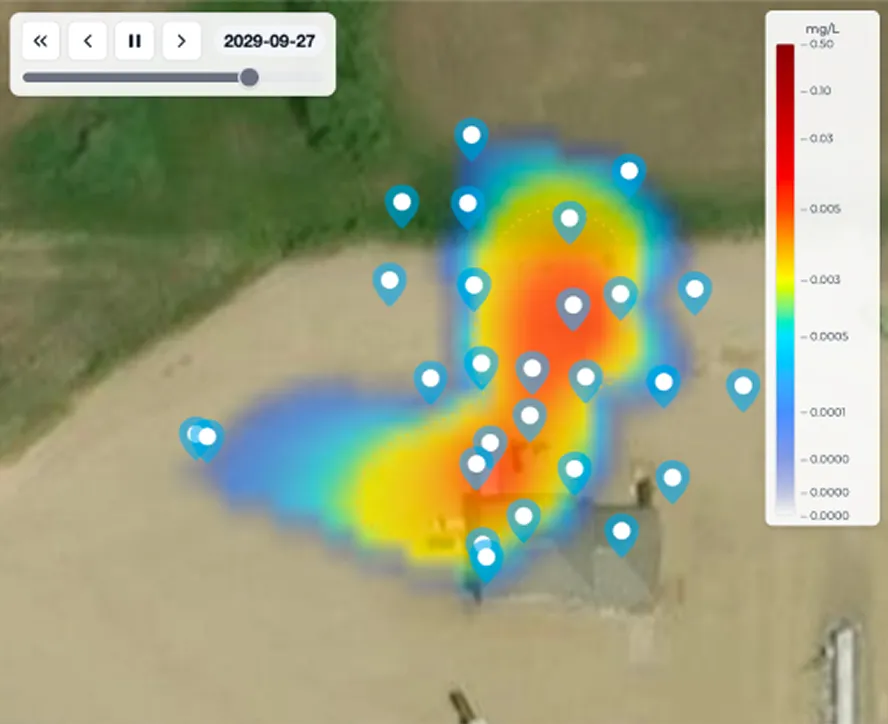
Real-time concentration data
Predictive decision support
Traditional approach
Point in time sampling
Static reports
Reactive decisions
How LiORA Helps
90%
of clients overestimate their plume
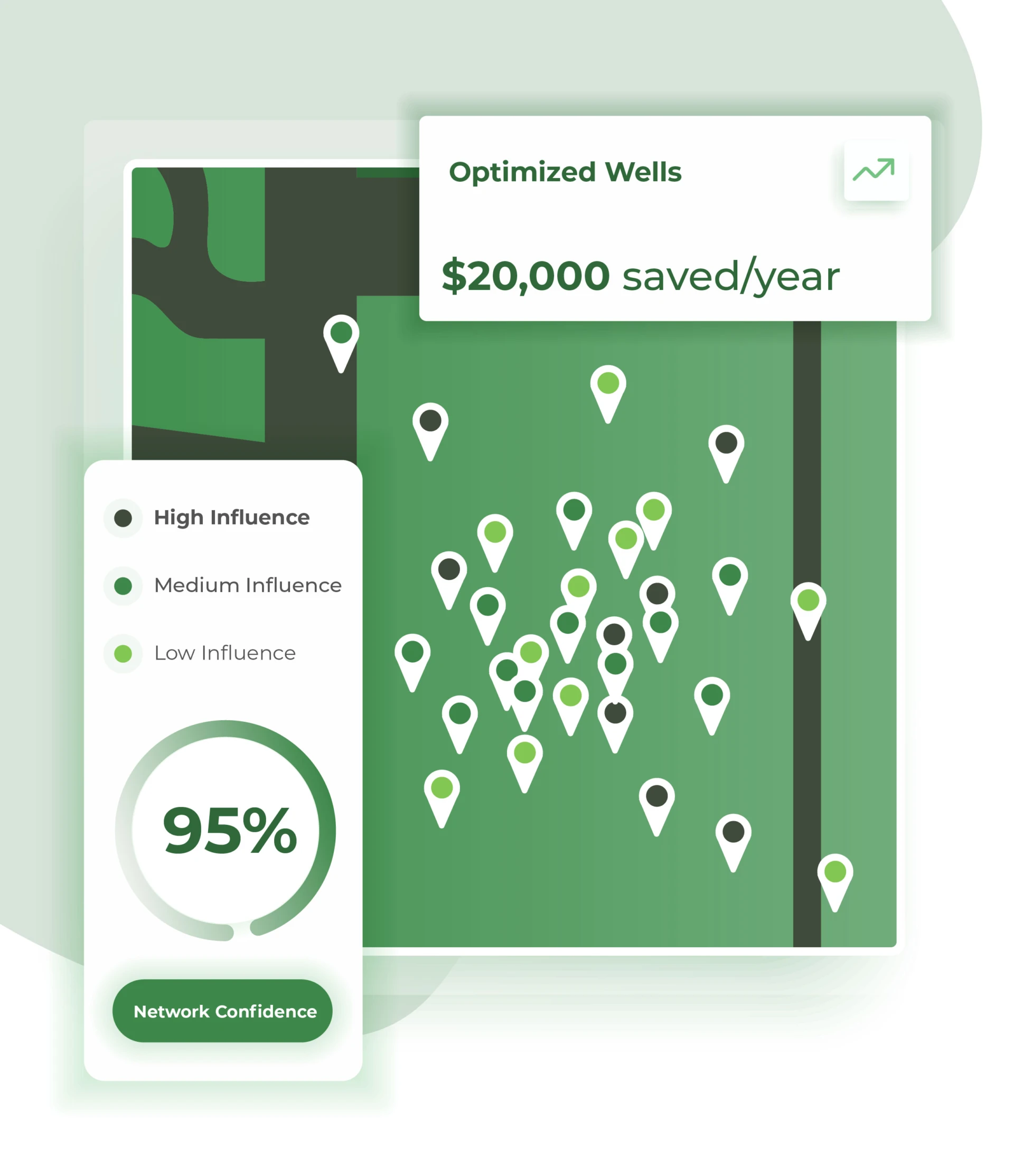
Continuous Soil and Groundwater Monitoring
- Detect plume movement earlier
- Identify concentration changes between sampling events
- Reduce reliance on manual sampling programs
90%
of sites overestimate plume expansion
Predictive Plume Modeling
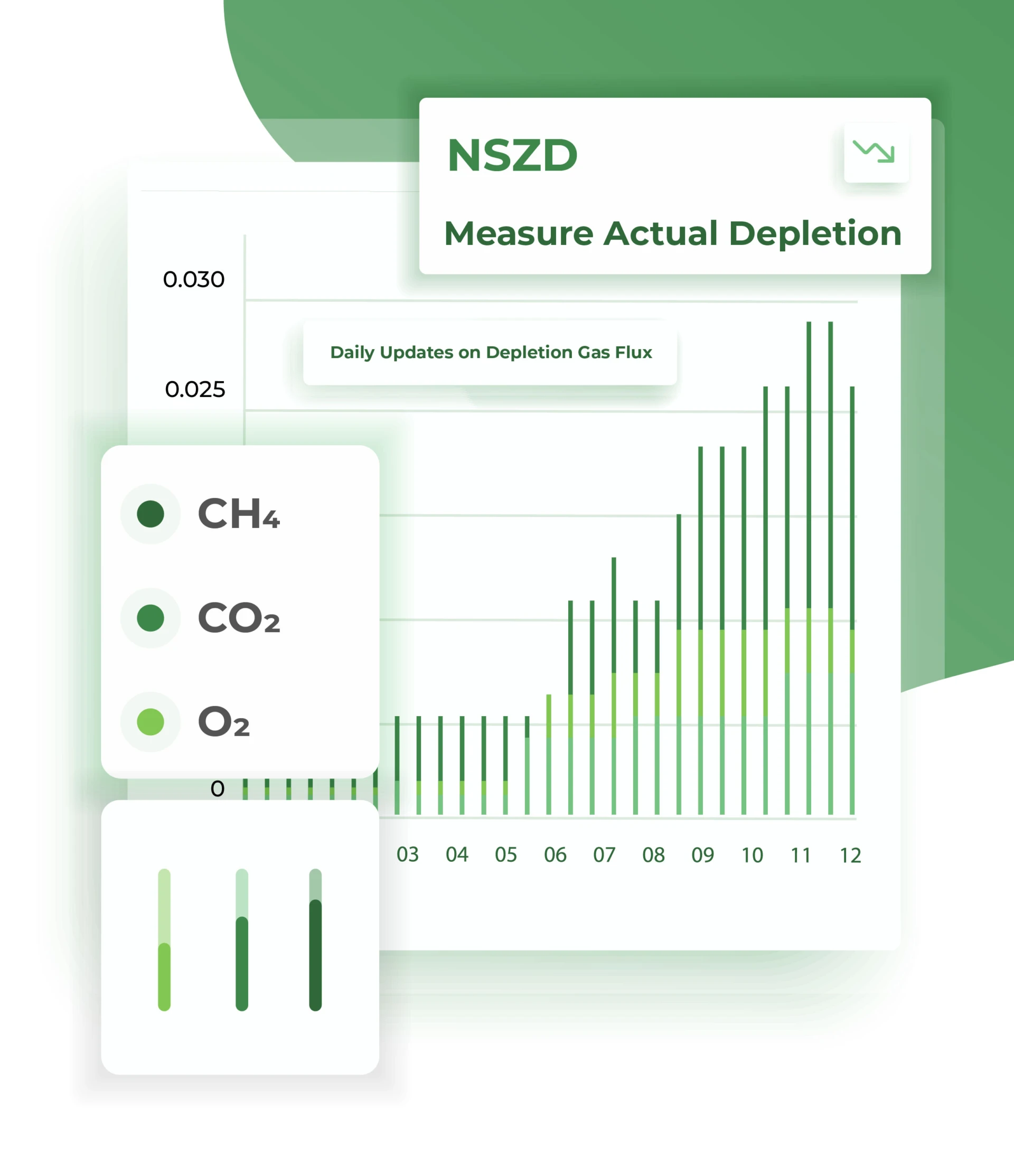
- Forecast depletion rates and timelines to stability
- Identify seasonal trends for more accurate plume stability forecasting
- Evaluate insitu remediation performance over time
69%
of traditional sampling sites overestimate plume expansion
Trend & Risk Intelligence
- Distinguish plume expansion from stabilization
- Detect rebound following remediation
- Identify early rates of plume attenuation
6
months to understand next steps for your sites
Closure & Regulatory Support
- Demonstrate delineation and stability timelines
- Put as first bullet for some more logical ordering
- Support reduced monitoring, risk management and risk-basec closure
Operational Benefits


Better understand seasonality
Determine the trends of how seasonality, groundwater levels and concentrations correlate

Better understand plume behavior
Continuous data helps to predict plume behavior and critical timelines, rather than relying on isolated sampling events.

Gain clearer insight into remediation performance
With real-time trend data, teams can observe how plumes respond to remediation systems, seasonal changes, and operational adjustments.

Reduce unnecessary sampling
Continuous monitoring helps determine plume stability timeline and when additional investigation is needed.

Enable more confident site decisions
Predictive models of plume behavior that support decisions in months, to better plan within yearly budget cycles and support discussions with regulators.

Accelerate progress toward site closure
With continuous data, you can monitor your wells' plumes and plan different remediation scenarios to understand the whole story of your site.

BioLodestone
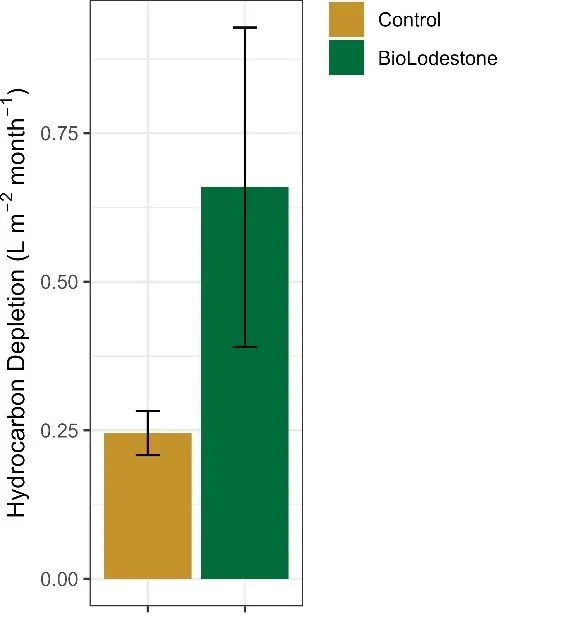
When active remediation is needed, BioLodestone treats hydrocarbon contamination at the source.
Our world-leading soil bioremediation technology supports natural attenuation with less disruption and no toxic chemicals. BioLodestone is a low cost, low footprint option preferred for insitu remediation of hydrocarbons to enhance natural depletion.
Combined with LiORA’s data, you can instantly track progress—and clean up sites faster.
Our Solutions
LiORA Trends
Make your data more powerfuTurn your existing analytical data into contaminant intelligence with predictive insights and portfolio-wide optimizations.
LiORA Insights
Make decisions in minutes
The peak of contaminant intelligence, LiORA Insights gives you daily data points so you can make decisions in minutes instead of months.