
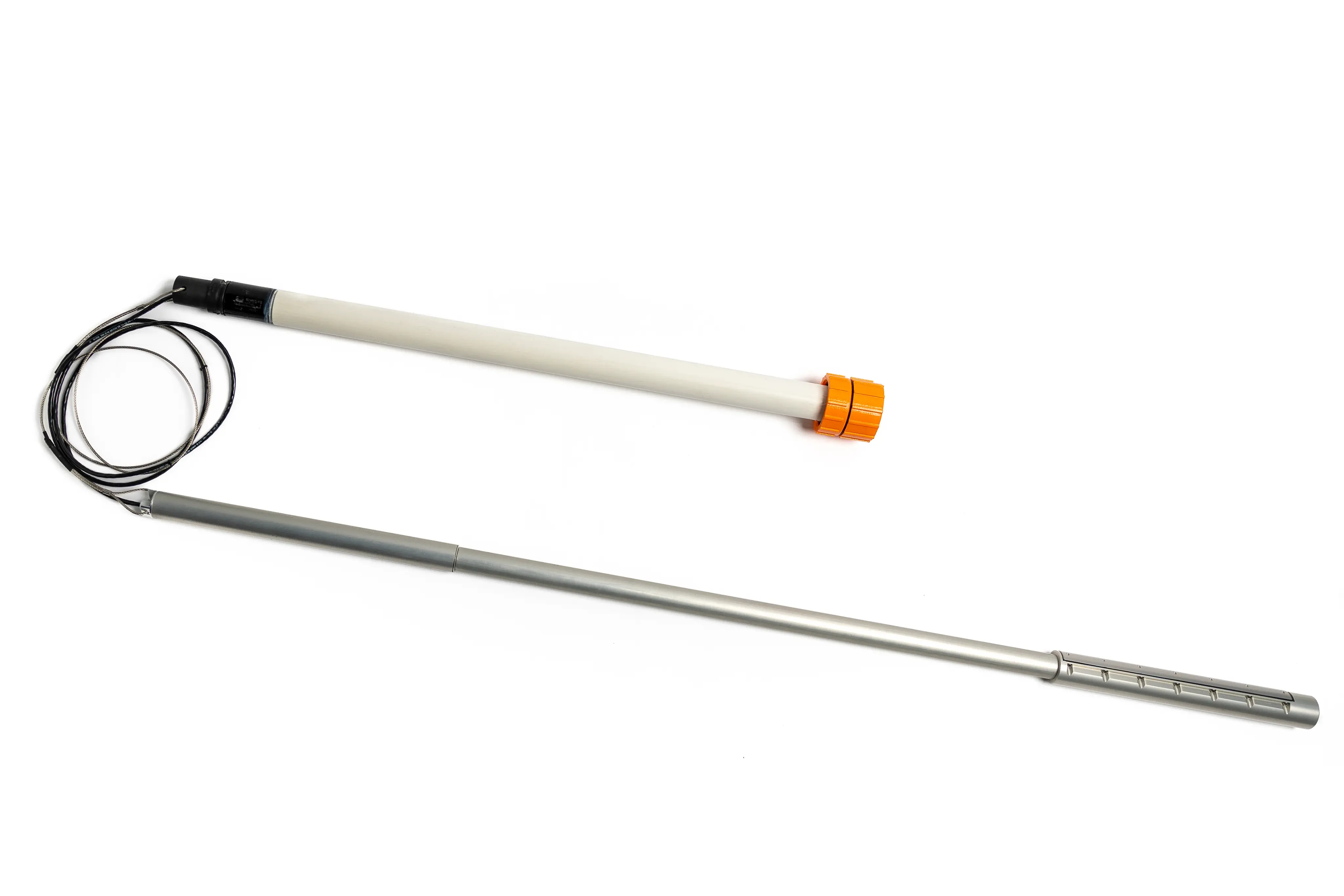
Ion Specific Electrode (ISE) Sensors
Get direct, ion-specific measurement of chloride concentration in groundwater.


Explore how ISE sensors work on your site:
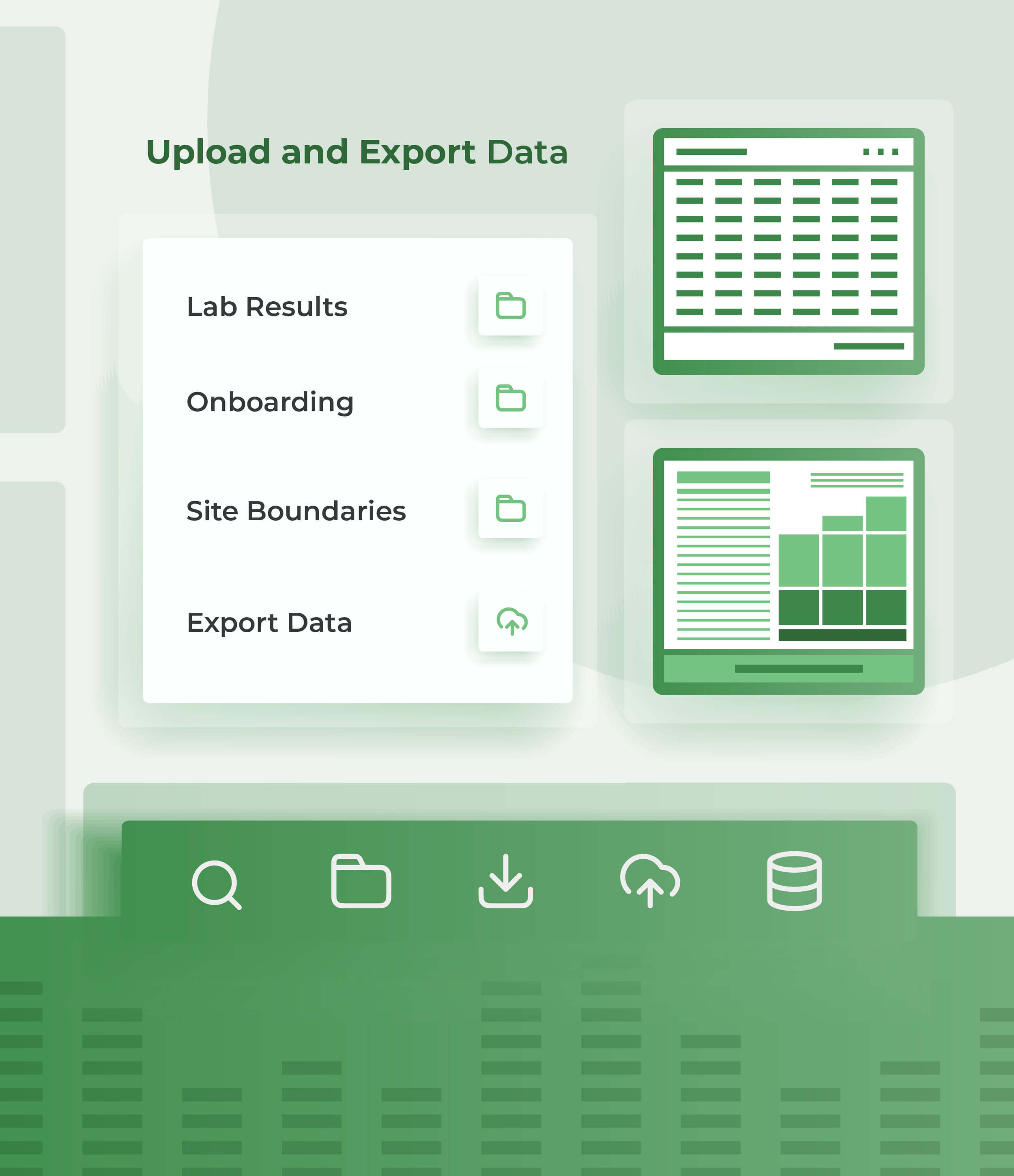
Data Acquisition & Connectivity
All sensor data is logged to onboard durable flash memory and transmitted in real time over LoRaWAN with no risk of data loss during communication outages.

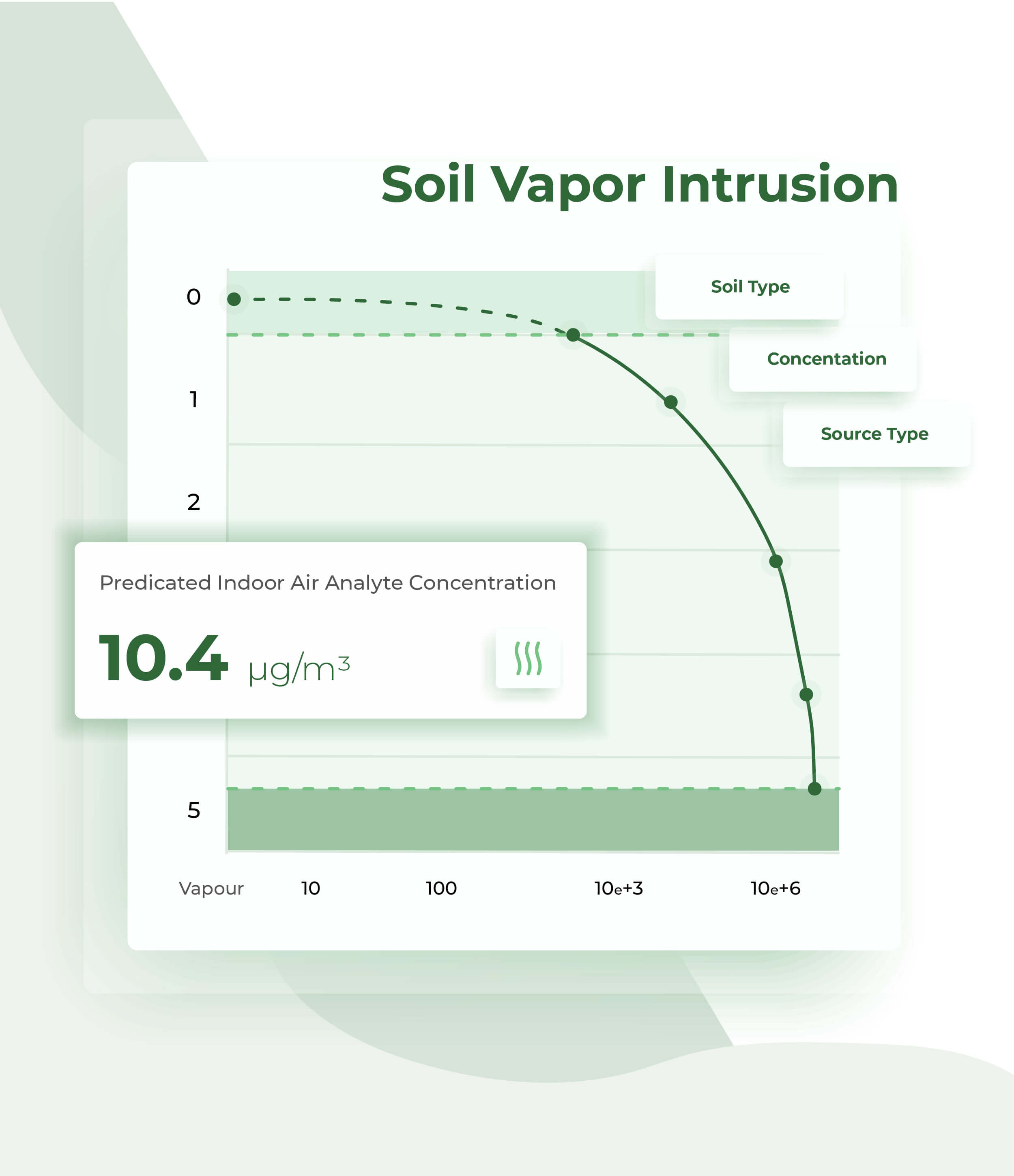
In-Situ Groundwater Chloride Sensing
Our sensor measures chloride ions directly using solid-state ion-selective electrode (ISE) technology.
Multi-Channel Solid-State ISE Array
The sensor employs multiple channels of solid-state ISEs engineered for chloride selectivity.
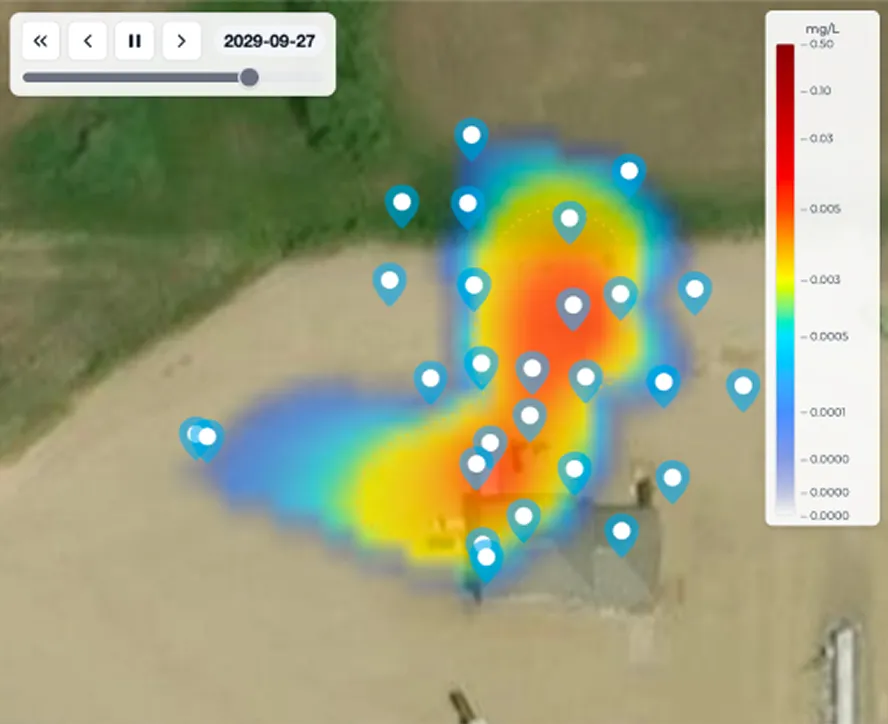
Microfluidic Sample Handling
The sensor uses a microfluidic flow cell that consumes approximately 150 microlitres per measurement cycle. Between measurements, the flow cell executes a wash and air-dry sequence that maintains the ISE sensing surfaces, preventing fouling and prolonging electrode life, enabling up to 365 autonomous measurement cycles on a single deployment.
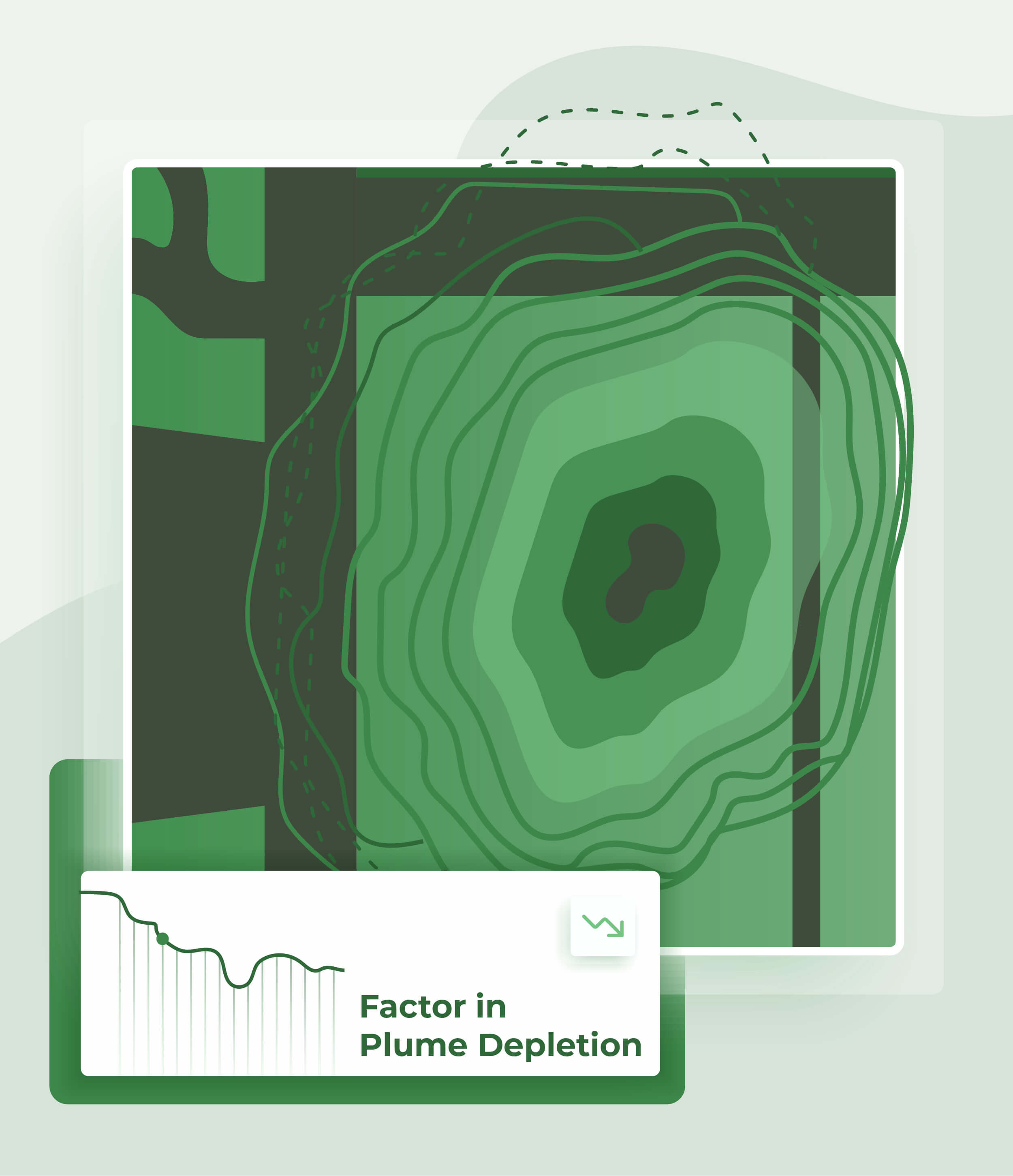
Autonomous In-Field Calibration
Our sensor addresses electrode drift directly by performing a full calibration cycle during every measurement using sealed calibration standards housed within the sensor body.
Serviceability
At the end of a deployment cycle, sensors are returned and factory-reserviced keeping sensors in continuous rotation while maintaining factory-grade measurement quality.
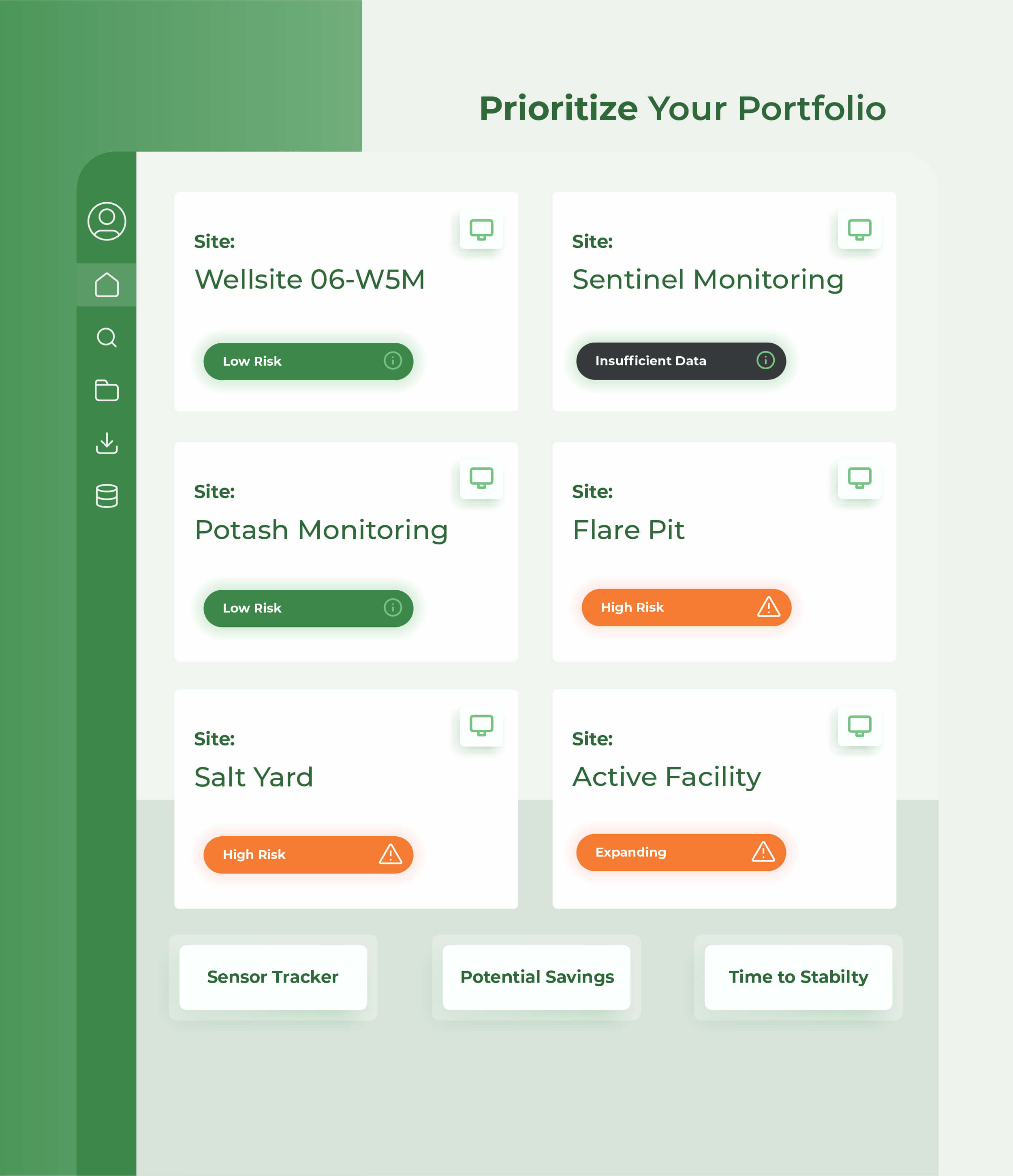
LiORA’s sensors are supported by our modelling platform
Get the real-time and predictive insights you need to make data-backed decisions.
Features
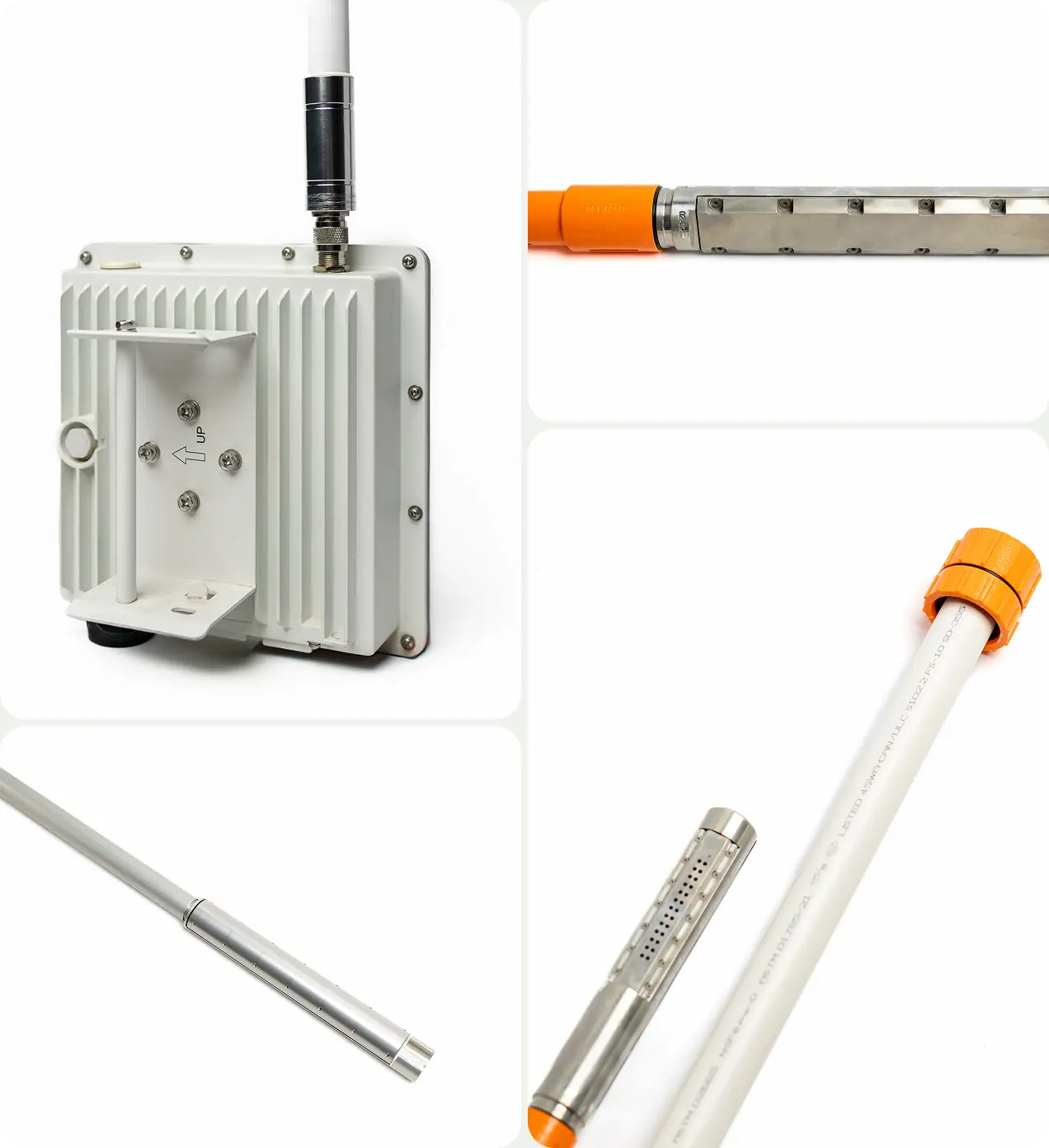

In-Situ Groundwater Chloride Sensing
Where many competing approaches rely on electrical conductivity as a proxy for chloride, our sensor measures chloride ions directly using solid-state ion-selective electrode (ISE) technology.

Autonomous In-Field Calibration
Electrode drift has historically limited ISE sensor viability for long-duration field deployments. Our sensor addresses this directly by performing a full calibration cycle during every measurement using sealed calibration standards housed within the sensor body.

Microfluidic Sample Handling
The sensor uses a microfluidic flow cell that consumes approximately 150 microlitres per measurement cycle. Between measurements, the flow cell executes a wash and air-dry sequence that maintains the ISE sensing surfaces, preventing fouling and prolonging electrode life, enabling up to 365 autonomous measurement cycles on a single deployment.

Serviceability
At the end of a deployment cycle, sensors are returned and factory-reserviced. This exchange model keeps sensors in continuous rotation while maintaining factory-grade measurement quality.

Data Acquisition & Connectivity
All sensor data is logged to onboard durable flash memory and transmitted in real time over LoRaWAN with no risk of data loss during communication outages.

LiORA’s sensors are supported by our modelling platform
Get the real-time and predictive insights you need to make data-backed decisions.
Get the Full ISE Sensor Specifications
Access detailed performance data, technical specs, and operating parameters for our Ion Specific Electrode Sensors.
The Latest Tools
LiORA helps collect and transform data into actionable insights that can help accelerate accelerate chloride risk assessment.