Continuous Monitoring vs Periodic Sampling
Why Data Frequency Changes Everything
Groundwater monitoring programs have traditionally relied on periodic sampling, such as quarterly, semi-annual, or annual data collection from wells. While this approach has been the industry standard for decades, it offers only a limited view of what is happening underground.
Today, continuous monitoring is changing that paradigm.
The difference isn’t just more data. It’s a fundamentally different way of understanding subsurface systems.
Snapshots vs. Motion
Periodic sampling provides snapshots in time.
Each sample represents a single moment, so you can understand conditions on that specific day, at that specific location. Between those sampling events, nothing is observed.
This creates blind spots:
- Short-term spikes may be missed
- Seasonal variability is underrepresented
- Rapid plume migration can go undetected
Operators are left interpolating what might have happened between samples.
From Static Data to Dynamic Insight
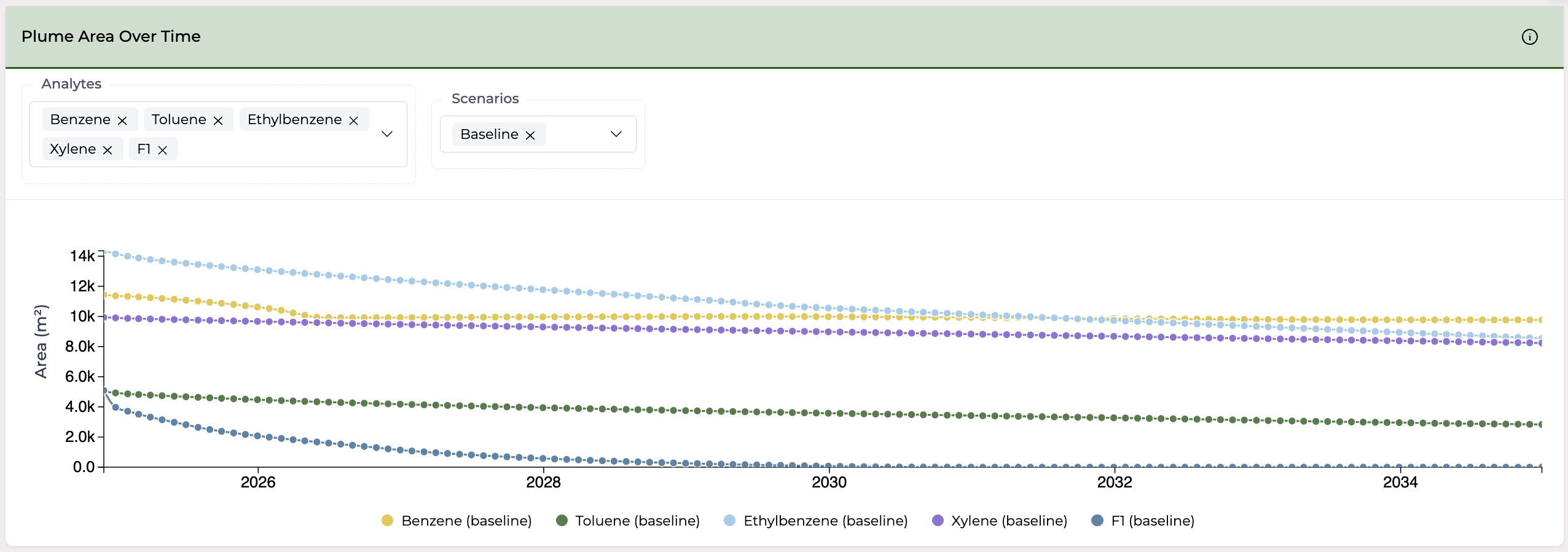
Continuous monitoring transforms data from static points into time-series intelligence.
Instead of asking “What was happening last quarter?”, operators can see:
- How concentrations change day-to-day
- How systems respond to rainfall or operational activity
- Whether remediation efforts are working in near real-time
The shift from snapshots to trends is one of the most important evolutions in environmental monitoring.
A Simple Comparison
Periodic Sampling
- Low frequency (quarterly, annual)
- Point-in-time measurements
- Relies on interpolation
- Delayed insight into changes
- Lower upfront cost, higher long-term uncertainty
Continuous Monitoring
- High frequency (hourly, daily)
- Time-series data
- Captures variability and trends
- Enables early detection of change
- Higher upfront investment, lower long-term risk
Why Frequency Matters More Than You Think
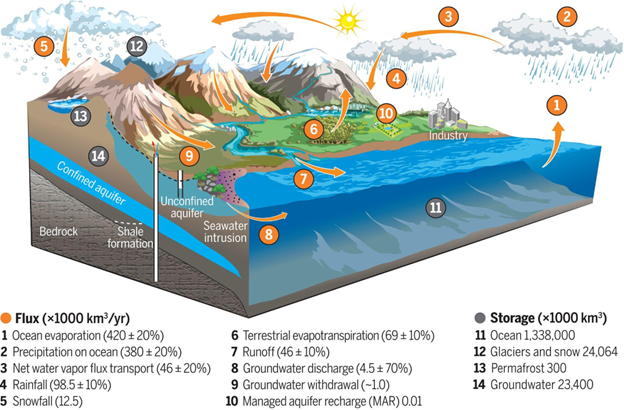
Groundwater systems are not static. They respond continuously to:
- Rainfall and recharge events
- Pumping and operational activity
- Subsurface heterogeneity
- Seasonal changes
With periodic sampling, these dynamics are often invisible.
With continuous monitoring, they become not only measurable, but actionable.
Business Impact: From Reactive to Proactive
The shift to continuous monitoring is not just technical; it’s economic.
Faster Decision-Making
Detect changes earlier and respond before problems escalate.
Reduced Remediation Costs
Identify plume movement sooner, limiting spread and treatment scope.
Improved Regulatory Confidence
Provide defensible, high-resolution datasets instead of sparse sampling points.
Operational Visibility
Understand how site activities influence subsurface conditions in near real-time.
The Bottom Line
Periodic sampling tells you what happened.
Continuous monitoring shows you what is happening, and what’s coming next.
For operators managing chloride contamination, brine impacts, or complex subsurface systems, that difference can mean:
- Months vs. days in response time
- Contained plumes vs. expanding liabilities
- Estimated risk vs. measurable reality
LiORA enables continuous chloride monitoring and predictive insight, turning groundwater data into actionable intelligence.
See what you’ve been missing between samples. Book a demo to explore continuous monitoring with LiORA.
Author

As CEO of LiORA, Dr. Steven Siciliano brings his experience as one of the world’s foremost soil scientists to the task of helping clients to efficiently achieve their remediation goals. Dr. Siciliano is passionate about developing and applying enhanced instrumentation for continuous site monitoring and systems that turn that data into actionable decisions for clients.